Race 2: GPS and distance accuracy vs previous Suunto models
-
@maszop You can use several GPX file viewers or Strava “distance correction”.
In every case, the GPX distance or corrected distance is similar in Vertical and Race 2 but showed distance in screen and activity summary differ 1.5-2% between watches so the algorithm they use is different and then accuracy is different. -
@jjpaz In the past, with a Suunto watch, you had to run a bit further because Strava would slightly reduce the distance. Now it’s almost the opposite. Of course, some algorithm might have changed, but 1-2% shouldn’t matter because the measurement error is probably at least that much.
In any serious applications, GPS is not used to precisely measure distance.
-
Looking at reviews of the watch when it was released, some criticized it precisely for not being as accurate in GPS tracking as previous models and for overestimating the actual distance. Perhaps the algorithm was corrected in the November update, and now it reports a shorter distance than the actual distance… I’ve had the watch for a week now, with the November software (and since today with the new update). I’ll test it again against the SV tomorrow.
An example from yesterday activity:
- Suunto Vertical, distance showed in the watch: 12.48km. Distance showed in GPX file: 12.49km.
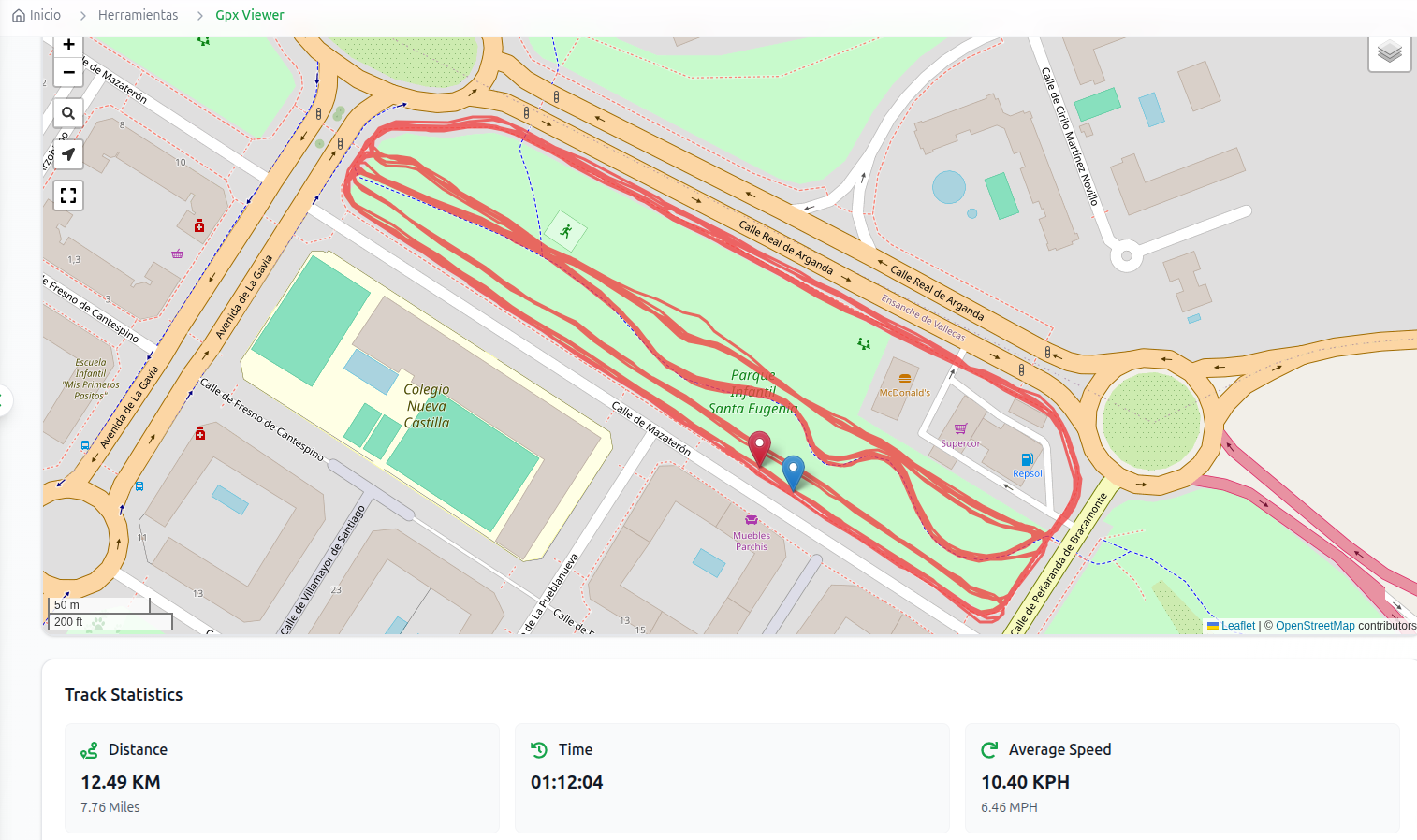
- Suunto Race 2, distance showed in the watch: 12.33km. Distance showed in GPX file: 12.49km.
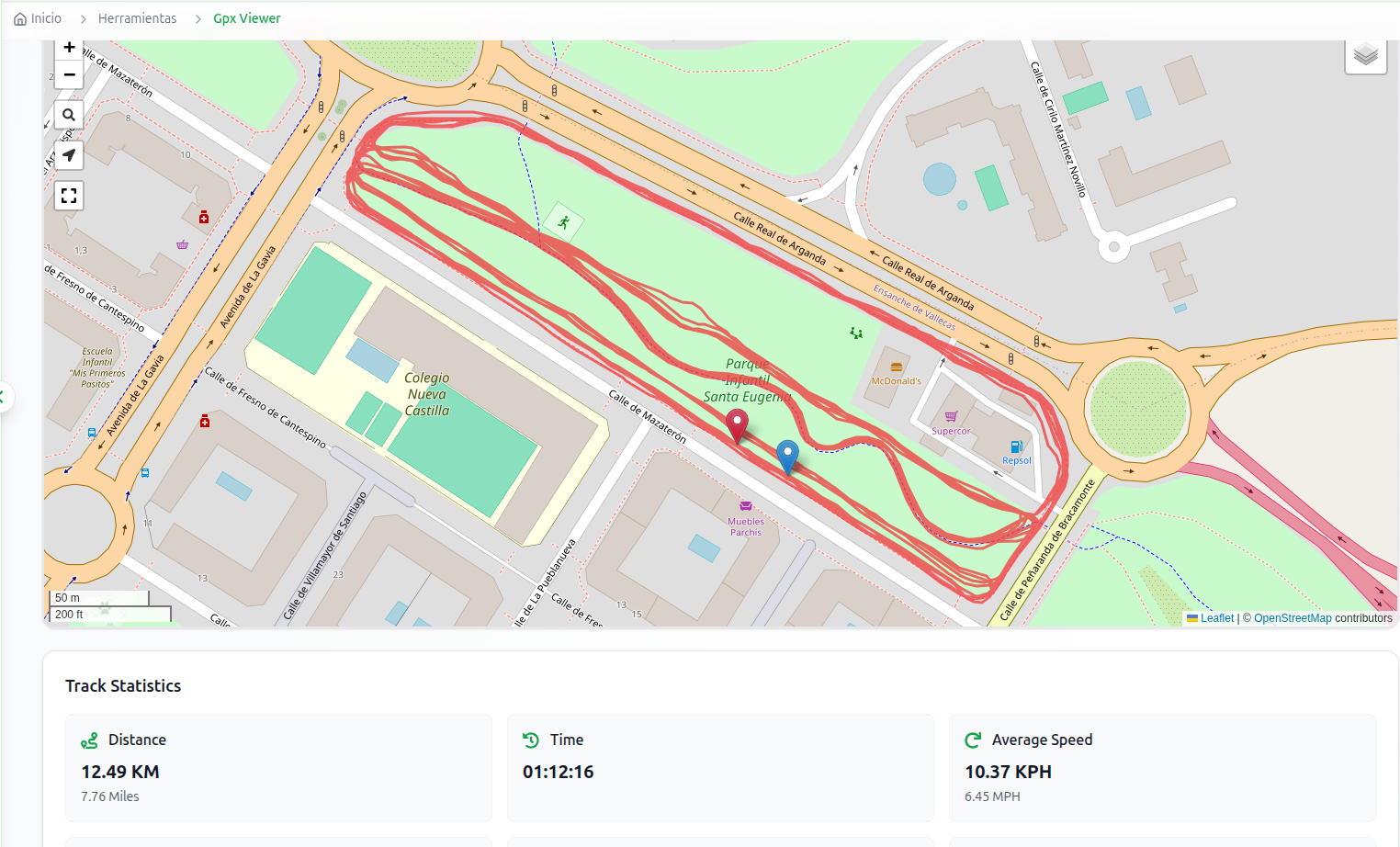
So Race 2 is “cutting” distance respect data showed in GPS data file. May be this behavior was introduced with november update.
Furthermore, you can see that the Vertical track seems cleaner in the various curves and loops. I went through the same route several times; it’s a park I do six or seven times, looping around it.
-
I have a similar experience. After the November update, I have less distance than the Garmin FR 970. Before the update it was about the same. Now I only take what the watch shows on the display, not in the GPX viewer. We’ll see what happens after today’s update.
I have Race 2
-
@maszop said in Race 2: GPS and distance accuracy vs previous Suunto models:
@jjpaz In the past, with a Suunto watch, you had to run a bit further because Strava would slightly reduce the distance.
Strava doesn’t reduce the distance but just always rounds it down when displaying it in the UI. In contrast Suunto or Garmin properly round to the nearest significant digit. The difference never exceeds 0.01 km or mile.
-
@sky-runner Strava just analyze raw data itself.
Therefore there are different values for distance, speed, duration/pauses, etc. -
@jjpaz I think you may have uncovered something here. I do not own a newer generation Suunto (SR2 or SV2). However, I very frequently run with two or more watches at the same time and have hundreds of examples comparing different Suunto watches and competitor watches (mainly Garmin).
Suunto has traditionally used strictly GPX distance to calculate total activity distance. This can be verified (as you’ve noted above) by comparing the two statistics using a service like Quantified Self. For me, GPX distance almost always matches activity distance when wearing something like a 9PP or SV1. The one caveat is that certain types of activities will also factor in 3D distance using ascent and descent figures. Typically this will result in a very small increase in activity distance compared to GPX distance, usually something like 10-30 meters over an average trail run with mild vertical gain.
Garmin, like most other brands, uses a far more complicated algorithm to calculate activity distance. I have no idea what the exact parameters are, but it seems to weigh factors like stride length, cadence, and pace along with general GPX trace distance to come up with a final “distance.” This can be good and bad. It’s great because it can compensate for a poor GNSS signal. It’s bad because things like cadence and stride are very personal and always changing. For me, Garmin devices always calculate an activity distance that is shorter than the devices measured GPX distance.
I verified these behaviors with a test a couple of years ago comparing the recorded activity distance of an SV1 versus a Garmin 955 using different GNSS settings (Multi-band vs. all systems vs GPS only). In short, for Suunto, as the GNSS setting became less accurate, activity distance increased due to more deviations in the GPX trace. For Garmin, a lower GNSS accuracy results in a shorter activity distance, presumably because it is relying more heavily on factors other than GPX distance.
All that to say, it looks like the new Suuntos (at least your Race 2) are now using a more complicated formula to calculate activity distance. I don’t have one to compare myself, but judging from your results above, this looks an awful lot like Garmin behavior. This also squares with the fact that most reviews noted a general decrease in GNSS performance for the newer models. So all things are not equal across the Suunto lineup.
One last thought: It looks like you were doing laps in the activities above. Which wrist were you wearing the watches on when comparing them? There will always be a slight offset to the side the watch is recording. That is, a watch worn on the inside wrist will record a slightly shorter distance than one one worn on the outside when doing laps.
-
@duffman19 Thanks for your answer.
In the example activity I was wearing Race 2 in left hand, Vertical in right hand but I change direction over loops so I run every loop at least several times in every direction. I call it my “hamster wheel”…
The other days I repeated tests exchanging watches: Vertical on left, Race 2 on right. Same behavior.
-
@jjpaz No problem. Sorry that was a lot of words.
Changing directions is the way to go. I do the same and run a loop or path both forward and backward when comparing devices to offset any wrist bias.
-
I was comparing to my previouse suunto 5 after i purchased Race 2. Path on map looked much more strait (more correct) so thats may be reason for little shorter distance. I had problem with S5 that while hiking under trees route was too zig-zag and it extended real distance.
-
@maszop said in Race 2: GPS and distance accuracy vs previous Suunto models:
Strava just analyze raw data itself.
Therefore there are different values for distance, speed, duration/pauses, etc.Speed and duration - yes Strava recalculates these using their moving time algorithm. But distance comes as is without any change other than rounding when data is imported as a FIT file. If you do distance correction on Strava, only then it would recalculate the distance as a sum of distances between consecutive track points.
I received this information directly from a Strava dev. I am fairly active on Strava community hub.
-
@sky-runner Thanks for information. I thought Strava was processing everything itself.
-
I just compared some of my biking activities and I did not find any (significant) difference in distance between S9B and SR2. If there is a difference, it is less than 10-20 m in a 50 km ride. But such difference can easily be attributed to taking a slightly different course on a number of corners or curves.
-
@MdzOtt Cycling is handled differently than pedestrian activities. It is much easier to calculate distance from cycling as speeds are faster and any deviation in the GPX trace from a bad GNSS signal is minimized since the points are farther apart.
What @jjpaz has pointed out is that something has changed in the way running distance is calculated. It is no longer derived solely from GPX distance.