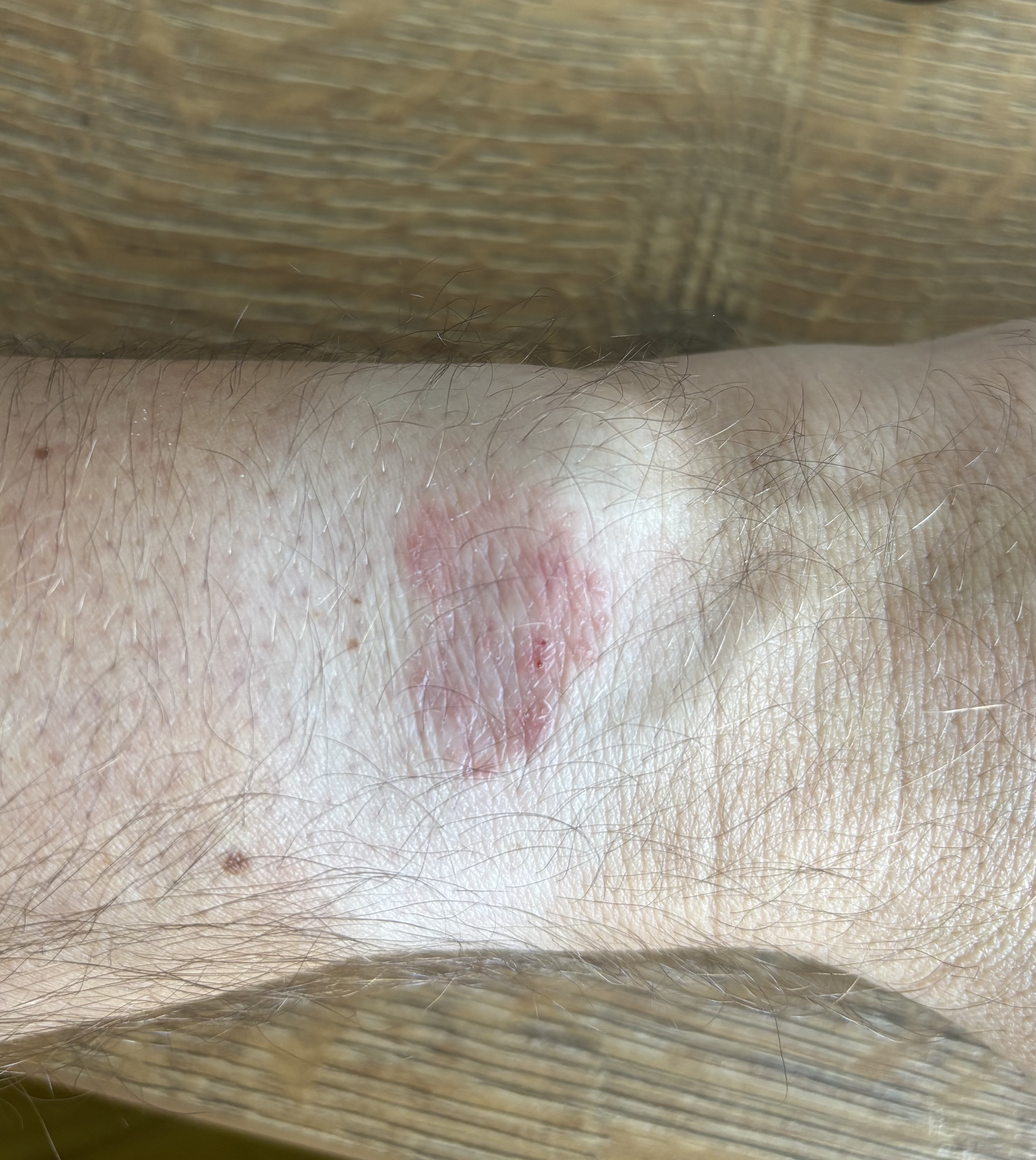
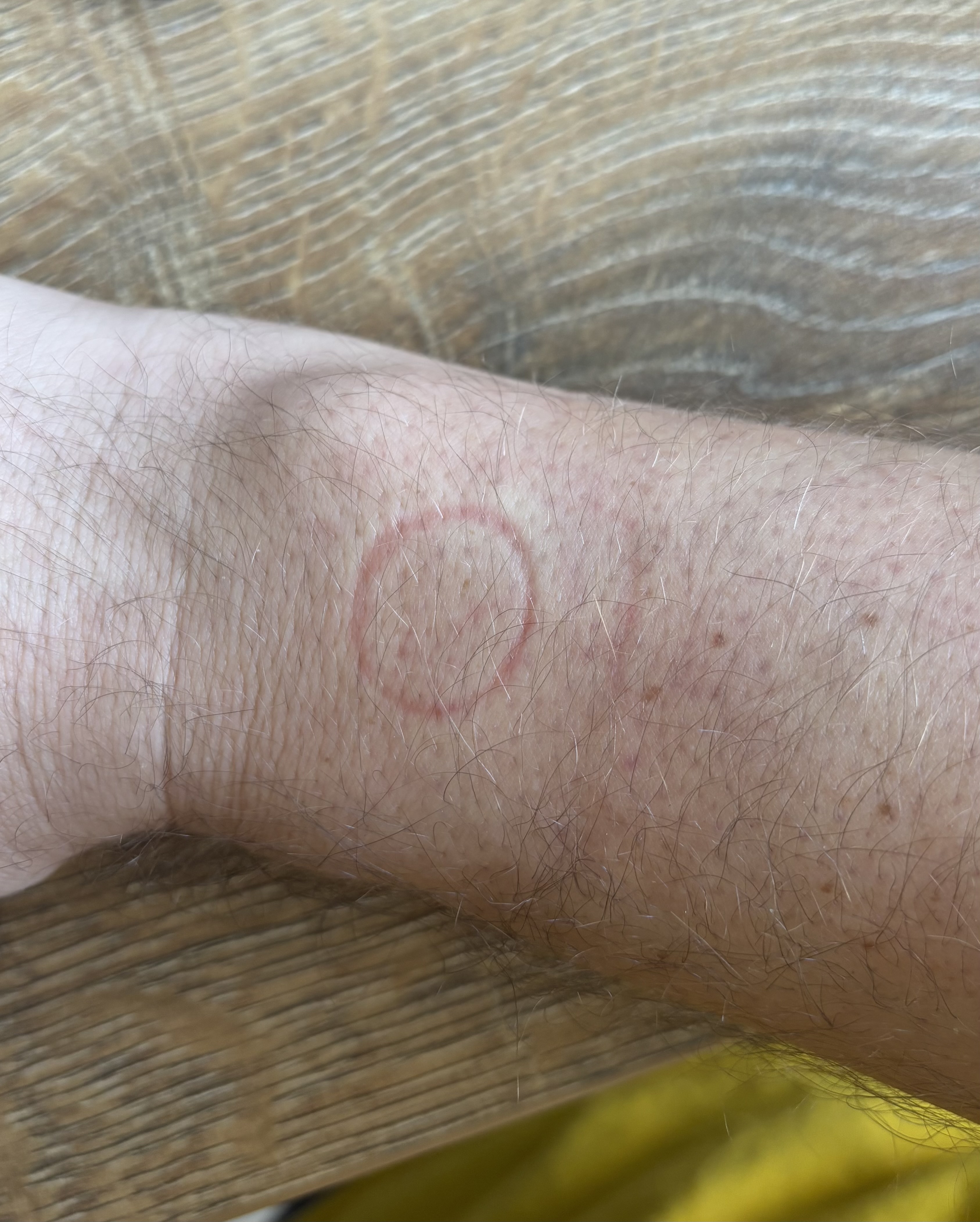
New OHR sensor design causing skin issues
-
@strain Yes this is what I am doing. I just hope it won’t return straight away.
-
Maybe the permanent light from the LEDs bringing some irritation to the skin? Sometimes I think that the light shining 24/7 on it isn’t really a healthy situation. I wish Suunto give us the option to turn back to former 10-minute-readings.
-
@jschmidt at least during night it is not permanent, it measures in some time inteval, not sure how long. But does it really measure during day all time? I would really prefer measurement only every 5 or 10 minutes, in same way as apple watch does it.
Suunto Ambit 2 > Suunto 5 > Suunto Race 2
-
i would doubt that the photons from the green LEDs have enough energy to ionise electrons in your skin cells to do any harm on a molecular level. Especially compared to UV light from the sun which you are getting in way higher doses when being outside.
-
@ChrisA for ionisating radiation you need much diffferen spectrum, but electromagnetic radiation goes rapidly down with distance. So intensity of led that is in contact with skin can be much higher than intensity from distant light sources even when this distant sources are much more powerfull. So mybe someone with higher light sensitivity can have issues with that. Consider even that that you are on direct sun few hours per day but this sensor shines 24/7 and doesn’t give cells any time to rest. I believe there are some studies done in this topic. But in profit driven economy you can never trust it. Just time will tell.
But this case is more likely some iritation of skin from not enough fresh air, higher mhumidity etc.
-
@Tomas5 yeah I know about the different frequencies, but even with considering 24/7 usage I doubt the energy transmitted is high enough to cause any harm. I could imagine though, that very sensitive people could show some reactions, but Inwould guess they’d rather look like a skin darkening and not some kind of rashes or inflammation.
-
@Tomas5 I have a 9PP and I‘m really sure that this watch does the reading permanently. I remember that Suunto changed the reading from 10 (or 12?) minutes to all the time with the introduction of nightly HRV measurements. I guess that this was necessary due to reliability of the data.
-
@jschmidt how does that impact battery ? With option to measure every 10minutes, would we have much better battery life?
-
@Tomas5 Yes, I think so. You can see this with Coros watches. They have the option to measure every 10 (or 5 minutes with activated stress measuring) or constantly. Here the activation to constantly causes a falldown of the battery life from 40 to 37 hours in summary. Not that much but noticeable.
-
So I let my skin to fully heal and was instead wearing the watch on my right hand, upside down. Today I have noticed that I have red skin, or a rash there also. This is a bit weird now, as I never had this issue in the past and started about the time (on my left arm) when I got the Race 2. I simply cannot wear it for a longer period of time. I am cleaning it after every activity. Can it be that the material from which the sensor is made is somehow different?
-
I have been experimenting with wearing a different watch to see if it’s a common issue, but this rash is keep coming back after switching back to SR2. At this point I am starting to think it’s an allergic reaction to some material on the watch itself.




Hello! It looks like you're interested in this conversation, but you don't have an account yet.
Getting fed up of having to scroll through the same posts each visit? When you register for an account, you'll always come back to exactly where you were before, and choose to be notified of new replies (either via email, or push notification). You'll also be able to save bookmarks and upvote posts to show your appreciation to other community members.
With your input, this post could be even better 💗
Register Login