Race 2 accuracy
-
@Joaquin Thank you very much for your testing efforts. Is the software version used the same one available to users?
On the other hand, it’s good that the watch performs well when making corrections under extreme conditions, but it would be important to focus on what’s being discussed in this thread, where the correction causes errors under ideal conditions, which I believe is the most common scenario for a Race 2 user, and where the result should be perfect after the corrections.
-
@isaac.net not, working on it
 of course, we must do more and more Tets but looks promising
 -
@Joaquin said in Race 2 accuracy:
@jjpaz @dreamer_ Interesting test
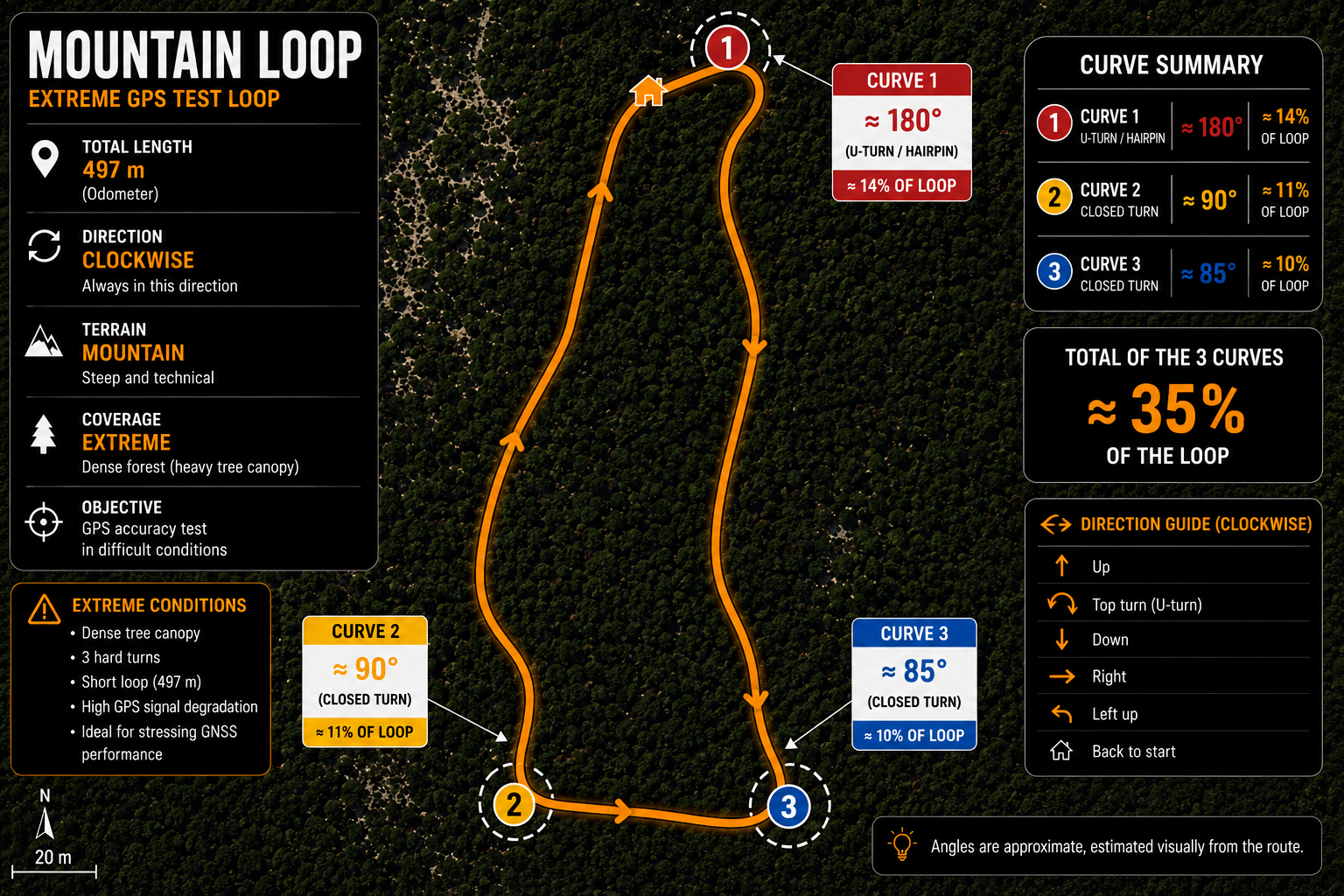
This test was performed on a very short and technical mountain loop under dense tree canopy.
Loop characteristics:
• Wheel measured distance: 497 m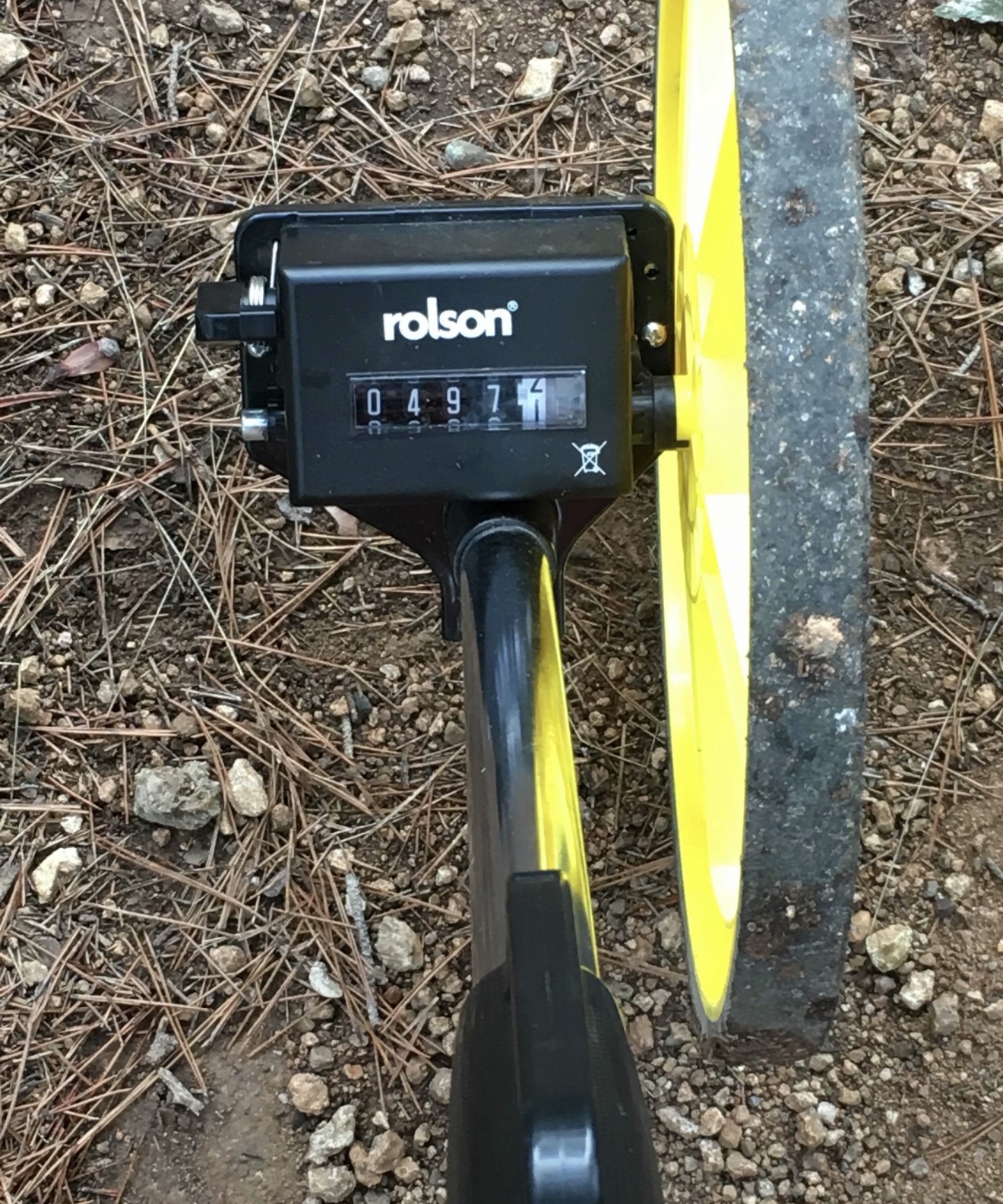
• Total laps: 11
• Expected real distance: 5.467 km
• Clockwise direction
• Dense forest coverage
• Repeated technical turns including one ~180° hairpin and two additional closed turns
The loop contains:
• Curve 1 → ~180° hairpin
• Curve 2 → ~90° closed turn
• Curve 3 → ~85° closed turnThese repeated direction changes make this route extremely demanding for GNSS filtering and track reconstruction.
One important detail:
all watches were worn in different wrist positions, so small variations are completely normal. Watches placed slightly higher on the arm usually record slightly more distance due to arm swing and antenna orientation.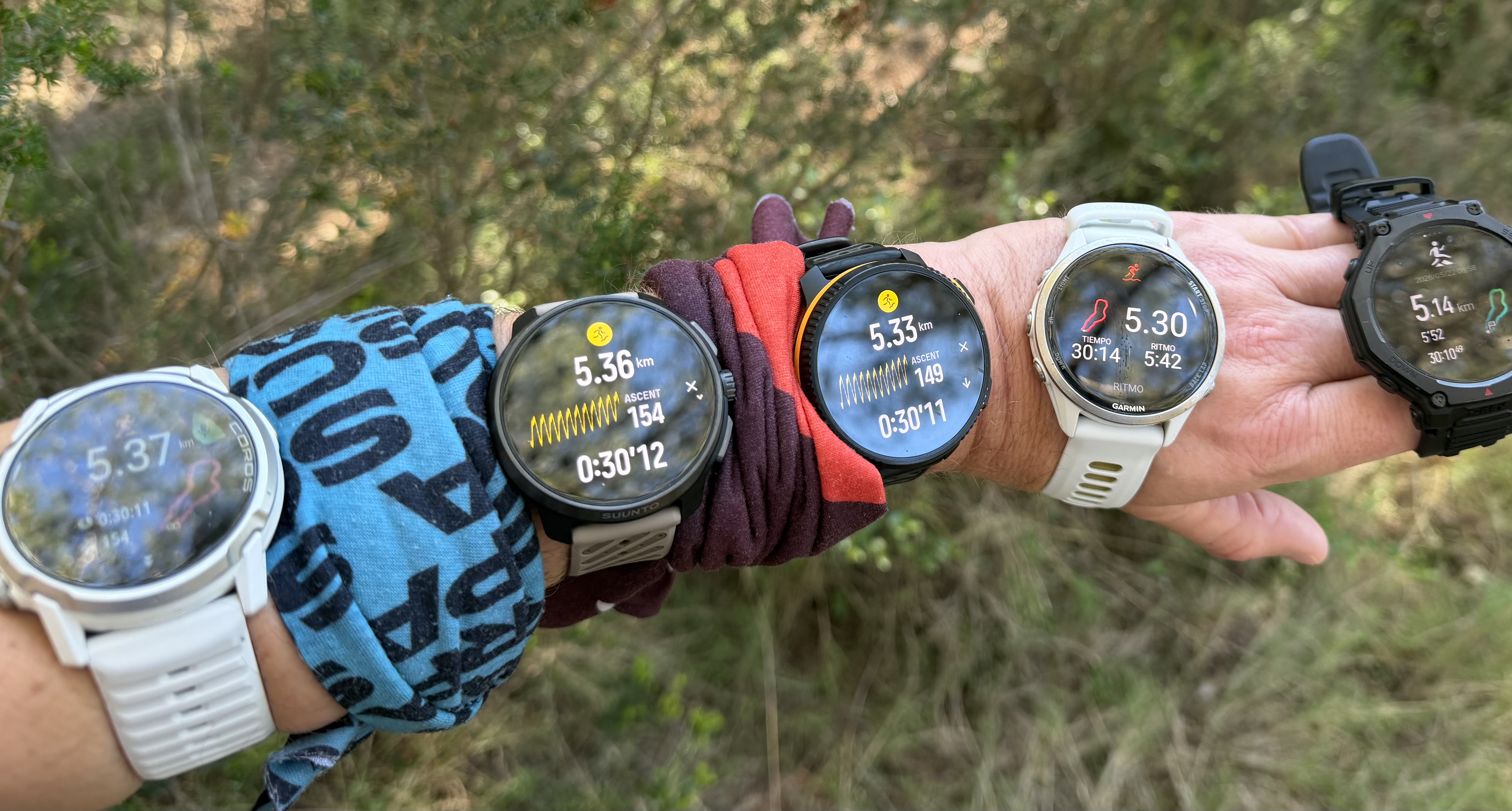
Results:• COROS Apex 4 → 5.37 km (-1.8%)
• Suunto Race 2 → 5.36 km (-2.0%)
• Suunto Vertical 2 → 5.33 km (-2.5%)
• Garmin 970 → 5.30 km (-3.1%)
• Amazfit T-Rex Pro 3 → 5.14 km (-6.0%)A very interesting detail appeared when comparing GNSS raw distance vs filtered activity distance.
This is where you can clearly see the work of each brand’s algorithms trying to reconstruct the “real” trajectory under dense canopy conditions.
GNSS Distance represents the raw satellite accumulation, while Distance is the final filtered value after each brand applies its own correction, smoothing and trajectory reconstruction algorithms.
The most impressive result here was the Suunto Vertical 2:
• 5.33 km GNSS Distance
• 5.33 km final DistanceAn almost perfect match between raw GNSS data and filtered output, showing extremely confident trajectory processing in this test.
COROS and Suunto Race 2 also stayed very close between raw and filtered values, while Garmin showed a more aggressive correction approach:
• 5.44 km raw GNSS
• corrected down to 5.30 km final distance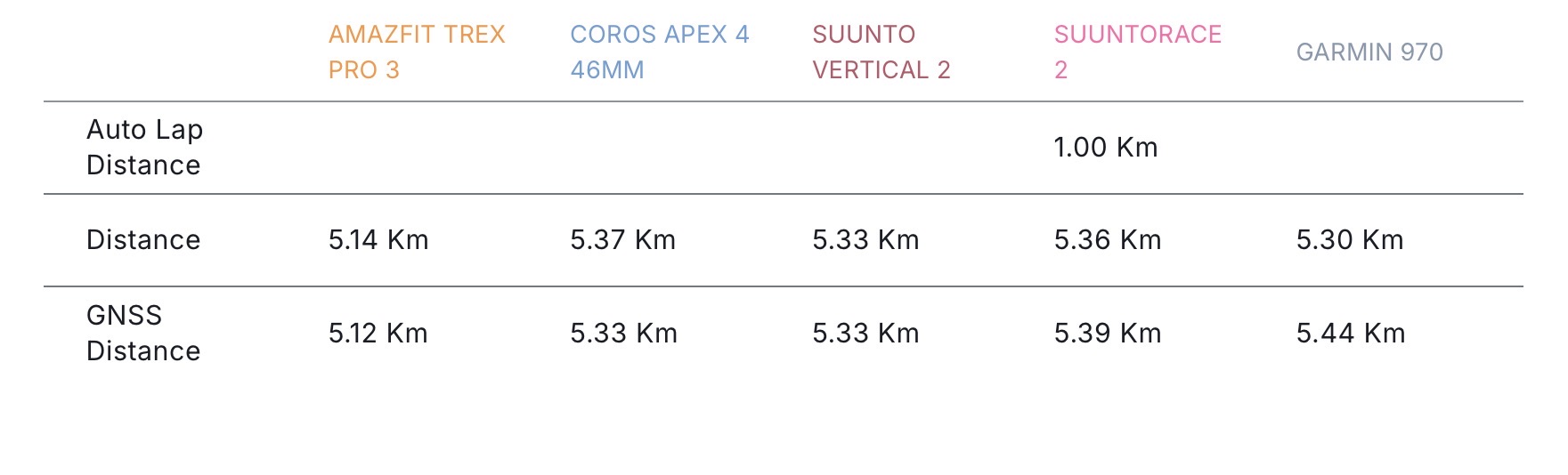
With the exception of the Amazfit, the distance difference between the other four devices is completely normal considering the different wrist positions and the extremely difficult GNSS conditions during the test.
ENJOY!!!
@Joaquin Impressive work! Thanks!
Suunto Vertical Titanium Solar, Suunto Race 2 Ti & Suunto Wing.
-
@Joaquin great, thank you so much!
-
I can’t confirm the Race 2 now but I’m posting this because I can confirm the Vertical 2 in the track I was talking here:
https://forum.suunto.com/topic/15071/several-navigation-issues-feedback/39
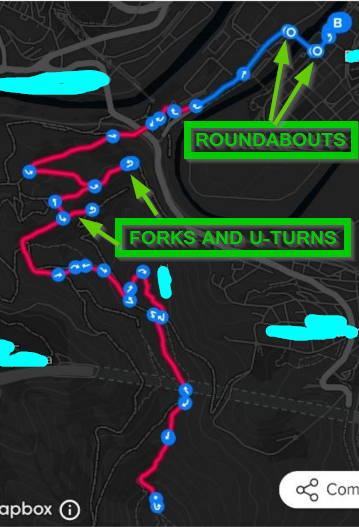

All watches in exactly the very same wrist position, but different days. It’s pretty interesting to see how I’m having so similar distances considering I’m running in different days. But in the other hand, it’s a track I know really well. There’s road but trail with several tree zones with dense forest.
-
@dreamer_ similar distance all good

Keep in mind that my test isn’t a standard route test; it’s a course specifically designed to check trajectory/distance in challenging situations. No one will run around a loop like a hamster in real life
 However, it’s very useful because we can have similar sections on our routes, and this gives us enough information to know if our watches will handle them with sufficient accuracy. Obviously, this is visible in a test like this, but in real-world route tests, it might seem like all the watches perform similarly, even if one fails on a 40-meter section. But when you put it through this rigorous testing, you see exactly what’s good and what’s bad.
 -
@Joaquin yes, it’s just the Vertical 2 is giving exactly the same result (and 2 times) as the Fenix 8 in my track. While the others, have slightly differences even in this track.
Thank you so much for this!! Really interesting, and very nice work
Garmin Fenix 8 Solar 51mm, Suunto Run
-
@Joaquin Wow, great work!
Just out of curiosity, how did you get the GNSS distance?
Any program that processes a GPX file will do some kind of filtering to calculate the distance, and it will give a lower value than if I simply take the GPX points, calculate the distance between them, and add them up (which is what I understand to be the actual raw distance).
-
@dreamer_ thank you for your feedback and help
 ️
️
Technical & Product Specialist – Suunto Iberia
-
@chus1962 internal tools but is not the important here
Users will only see the total distance processed, so it is only useful for internal engineering and software analysis. -
@Joaquin this is very interesting. Btw, it’d be really nice if you could also add the Race S to the test (not for the shots here but to have internal tests for you now you are doing all this work) and also switch the position of all watches several times in the arm, so you know what are exactly the measurings of all watches in the very same position. I know it means many runs but it also means that you have the very same references several times for all (I think).
Thank you so much for this.
-
@dreamer_ said in Race 2 accuracy:
@Joaquin this is very interesting. Btw, it’d be really nice if you could also add the Race S to the test (not for the shots here but to have internal tests for you now you are doing all this work) and also switch the position of all watches several times in the arm, so you know what are exactly the measurings of all watches in the very same position. I know it means many runs but it also means that you have the very same references several times for all (I think).
Thank you so much for this.
Race S is super accurate device
 is a small but powerful machine.
 -
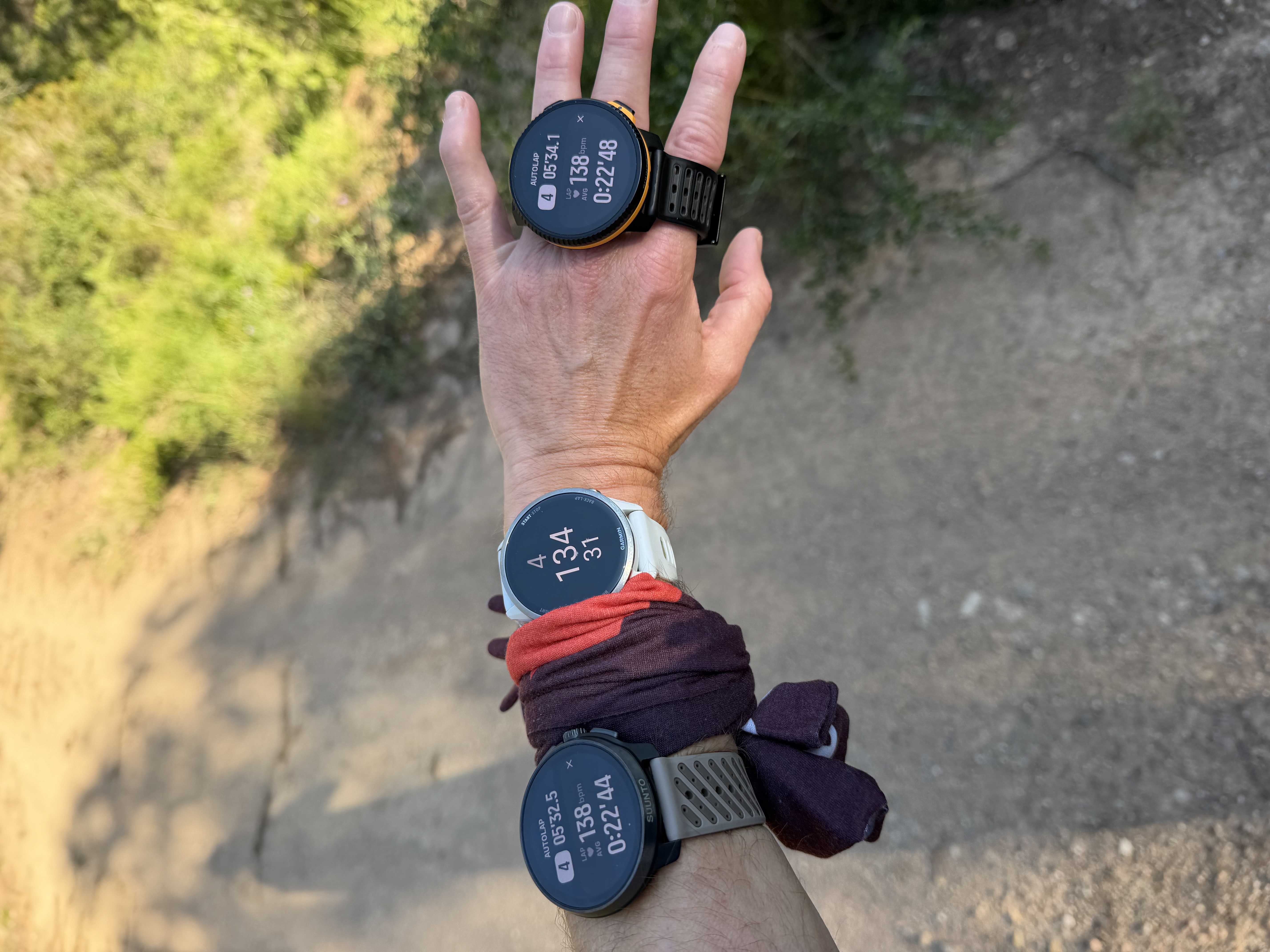
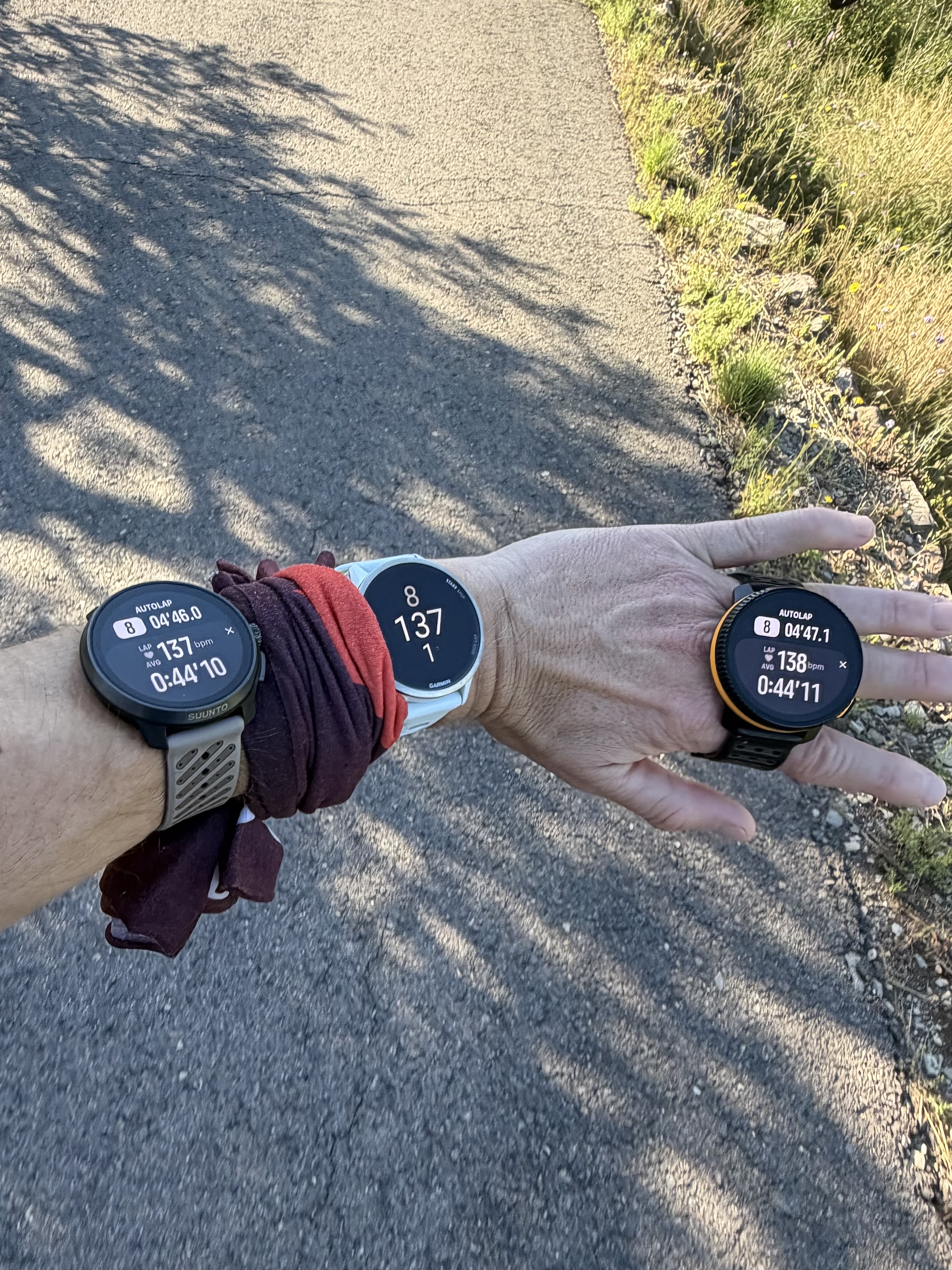
@dreamer_ I did an easy out-and-back route to the hill near my house and also changed the watch placement compared to yesterday’s loop. Here you can clearly see what we discussed yesterday: when you are not constantly repeating a technically difficult section like my loop, the differences become almost negligible — BUT THEY ARE STILL THERE.
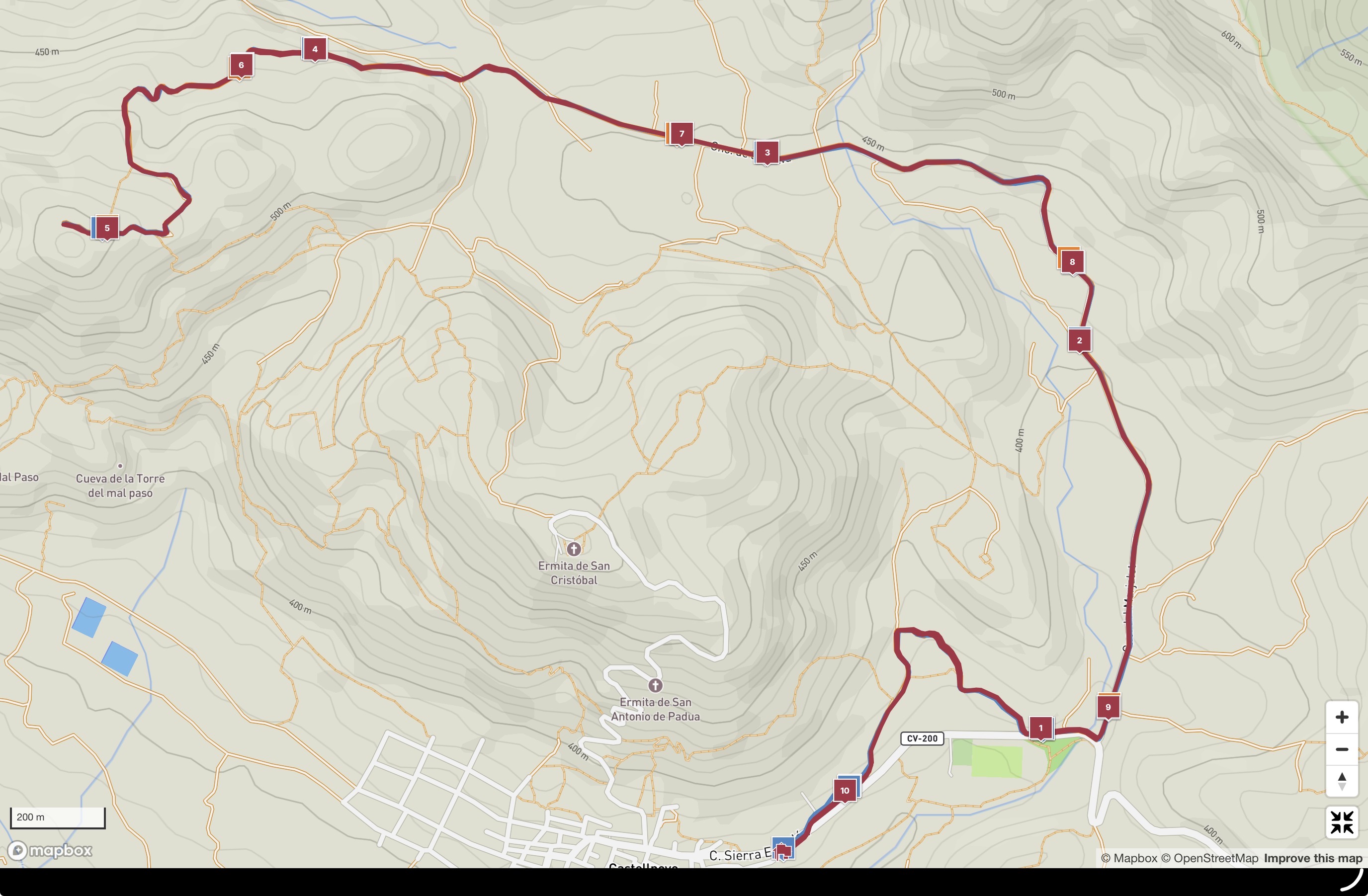
I used the Pace Pro and the T-Rex 3 Pro on my right hand. Since it was an out-and-back route, theoretically the distance should be identical.You can also clearly see how the kilometer markers overlap almost perfectly on the V2, R2, and 970, which is honestly a very good sign regarding GPS consistency and distance measurement. The overlap between those devices is excellent.
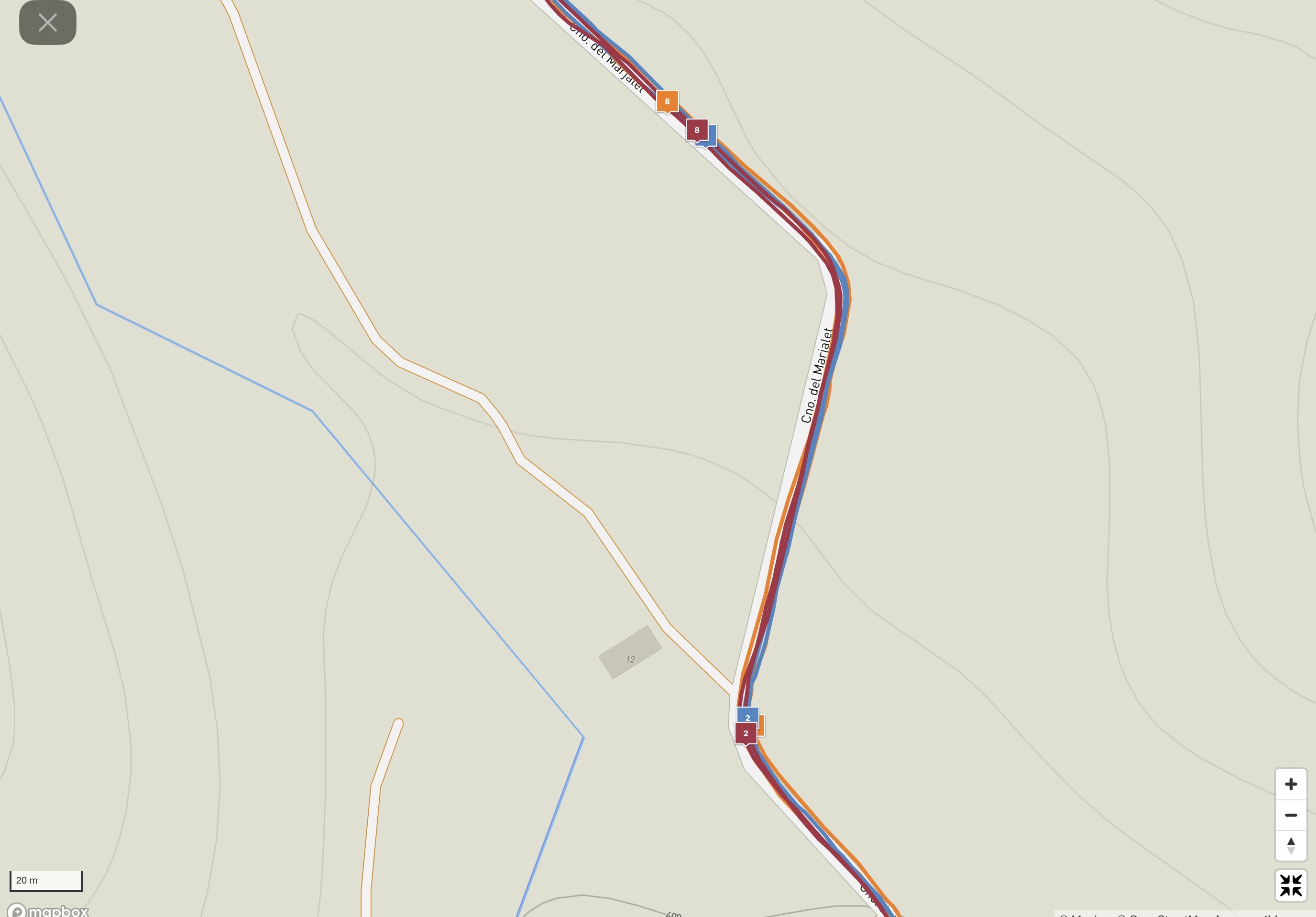
The out-and-back format is actually very useful for this kind of testing because it removes many variables and makes small GPS deviations much easier to spot. In normal conditions most users would probably never notice these differences, but for people who regularly test devices or spend a lot of time in complex terrain, they are still visible.This is exactly why continuing to improve GPS filtering, track smoothing, and altitude handling remains so important, especially for mountain users and people training in difficult environments.
P.S. I know you enjoy testing devices, so try the T-Rex 3 Pro with the latest software version and you’ll understand why it is so important for us to keep working on good GPS and altimeter performance
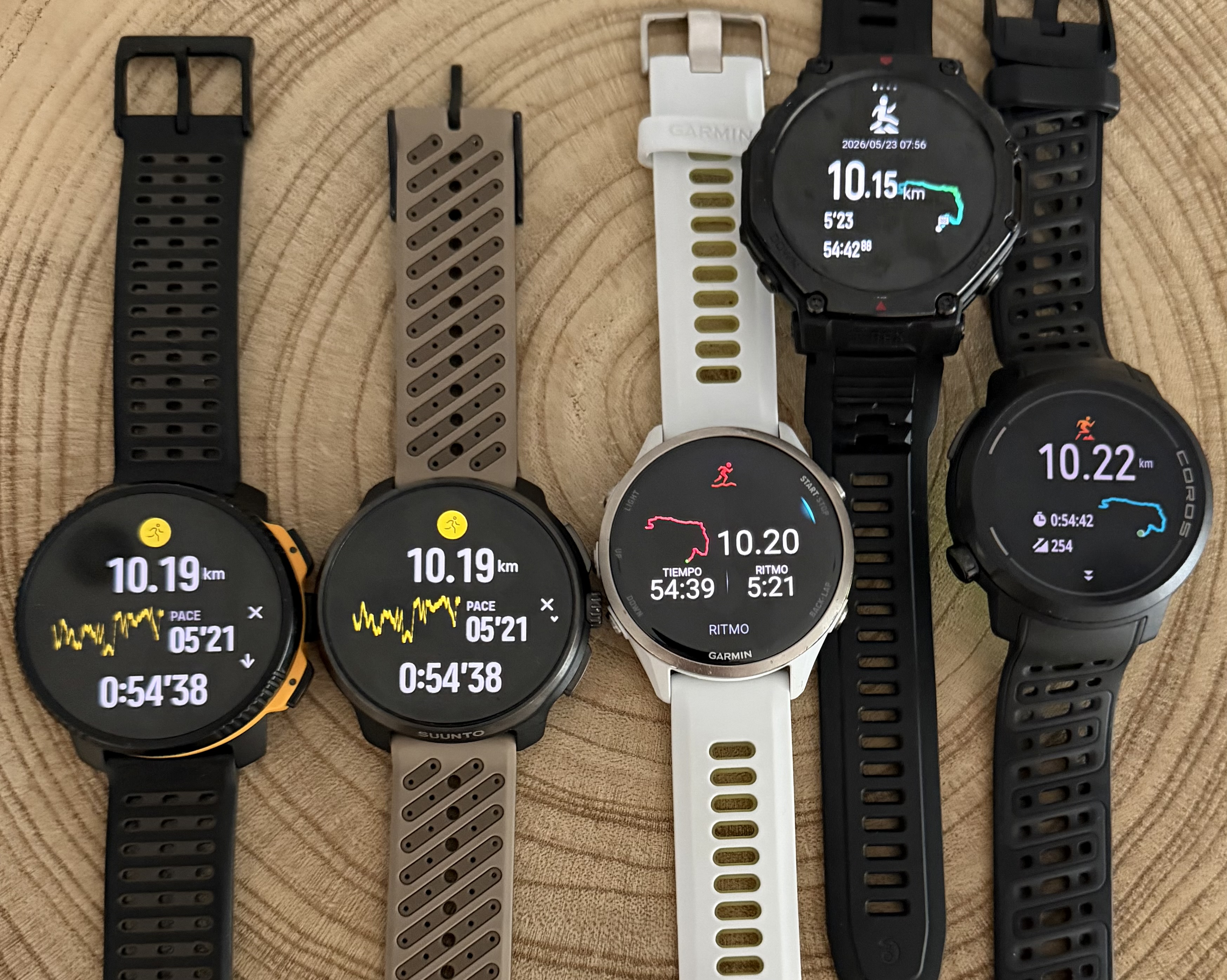
Technical & Product Specialist – Suunto Iberia
-
@Joaquin I completely agree with your posts. In fact, today I tested my wife’s Run and even in my track, I’m finding the Run more similar to the Vertical 2 than the T-Rex 3 Pro. Not only the GPS but specially things like the altimeter, where even a watch like the Run is clearly better than that watch.
I did not notice that since you posted your loop tracks, the differences were just too small to even have a look at them
It is a fantastic finding and super nice work. And one thing, these posts makes you think how nice are the quality testings you are doing.
-
@dreamer_ you should be Suunto tester
️ -
@Joaquin said in Race 2 accuracy:
@dreamer_ you should be Suunto tester
️I’d love that.
I’m super happy with my Vertical 2 Joaquin. It’s a fantastic device and super accurate in everything.
Thanks! -
@Joaquin wonderful work, Joaquín. Thank you!
Is there any estimate for when this update will arrive in Race 2?
-
@joaquin there’s one thing. About the measuring wheel. I understand you are being sure that is well calibrated.
I know that this can be a very silly question and I was not going to ask, but there’s no reference at the posts about how you ensured the calibration and the wheel is the reference (and the possible point of failure). Just for that to keep everything detailed.
Thank you so much
-
@dreamer_ I was thinking the same but for another reason. I see that the loop looks like a trail with many little stones and other tiny “obstacles”. In this case the wheel will slightly goes up and down because of the obstacles and measure more than the “flight” distance. You could think that this is negligible but I think it is not the case. To asses it, I have computed the ratio between a straight line and an undulating line where every 10cm there is a difference of 1cm of height. The ratio is 2.4%. So, far from negligible and close to the difference found between the watches and the wheel. Unfortunately, I don’t have a measuring wheel to test the hypothesis.
-
@LGoSo I think there would be three points to consider here:
-
As I understand it, the model is a Rolson 50799. The manufacturer doesn’t specify its accuracy, but in that price range, I believe it will be between 0.1% and 0.5% (meaning the margin of error would be between 0.5 m and 2.5 m over a distance of 500 m).
-
For such uneven terrain, a wheel with a circumference of around 1 m might not be the most suitable option; for these cases, measuring wheels with a circumference of around 2 m are used.
-
If the terrain has a noticeable slope, as seems to be the case, we wouldn’t just be assessing the accuracy of the watch’s GNSS, but also that of its altimeter. (In reality, the distance should be compared against the result of using the ‘3D Distance’ option on the watch, which I assume Suunto uses by default since it isn’t available as a toggle.)
-


Hello! It looks like you're interested in this conversation, but you don't have an account yet.
Getting fed up of having to scroll through the same posts each visit? When you register for an account, you'll always come back to exactly where you were before, and choose to be notified of new replies (either via email, or push notification). You'll also be able to save bookmarks and upvote posts to show your appreciation to other community members.
With your input, this post could be even better 💗
Register Login